What are the long-term effects of farm disasters on land value?

herd of cows on green fieldFarm disasters can have a devastating impact on land value. From droughts to floods, these disasters can cause significant damage to the land, leading to long-term effects that can be felt for years to come. In this article, we’ll explore the long-term effects of farm disasters on land value.

The most obvious long-term effect of a farm disaster is a decrease in land value. When a farm is damaged by a disaster, it can take years for the land to recover. During this time, the land is often unusable for farming, leading to a decrease in its value. This decrease in value can be felt for years, as the land is unable to produce crops or livestock, and its potential for future use is limited.

In addition to a decrease in land value, farm disasters can also lead to soil erosion. When the land is damaged by a disaster, the soil can become less fertile, leading to a decrease in crop yields. This can further decrease the value of the land, as it is unable to produce the same yields as before the disaster.

Another long-term effect of farm disasters is an increase in soil contamination. When a disaster strikes, it can bring with it pollutants and toxins that can contaminate the soil. This can lead to a decrease in land value, as the land is no longer suitable for growing crops or raising livestock.

Finally, farm disasters can also lead to an increase in pests and diseases. When the land is damaged, it can become a breeding ground for pests and diseases, leading to a decrease in land value. This decrease in value can be felt for years, as the land is unable to produce crops or livestock, and its potential for future use is limited.

Overall, farm disasters can have a devastating impact on land value. From a decrease in value to soil erosion and contamination, these disasters can have long-term effects that can be felt for years to come. It is important for farmers to be aware of the potential risks associated with farm disasters, and to take steps to protect their land from potential damage.
How can renewable energy solutions support farms during energy disruptions?

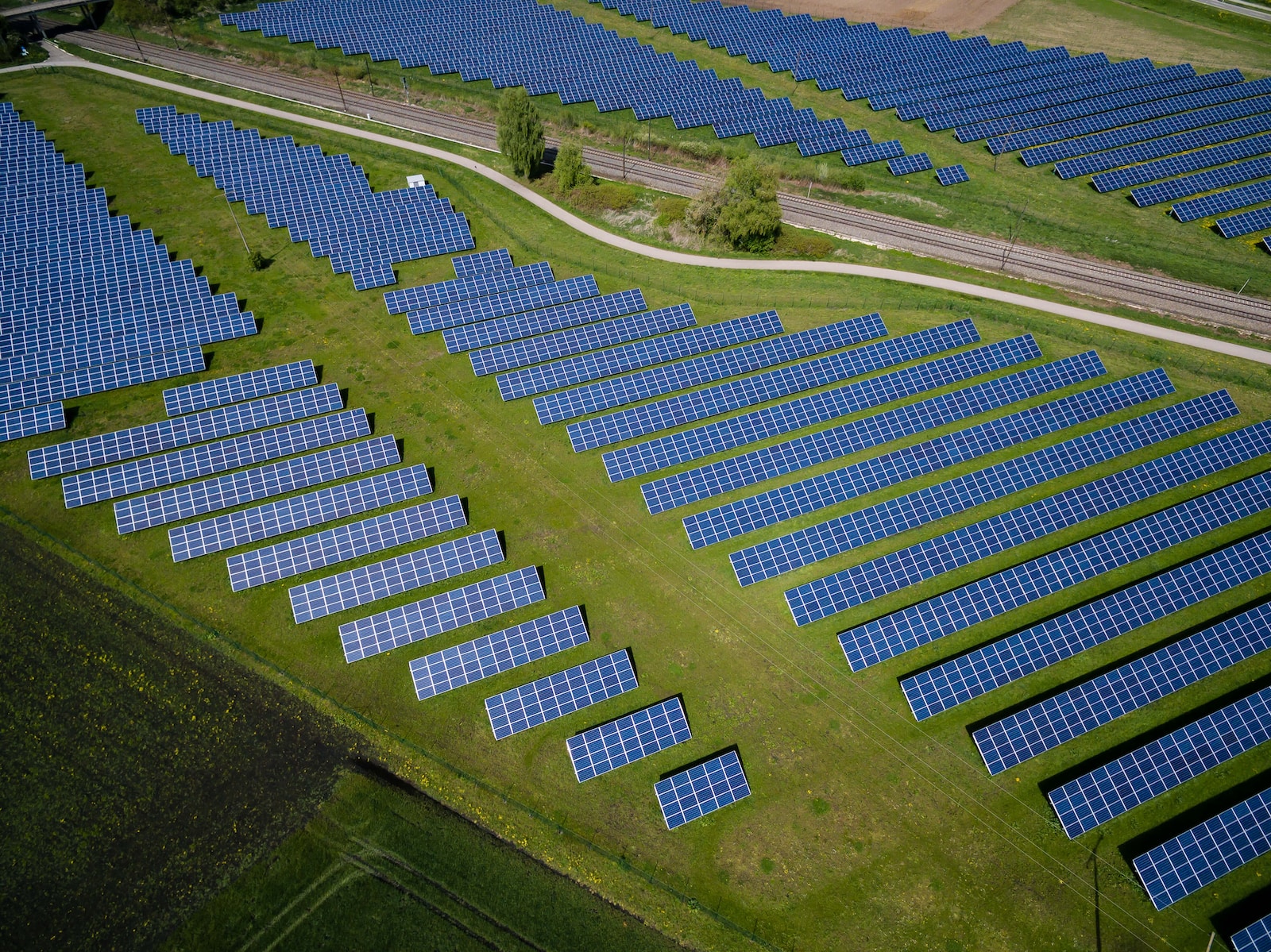
aerial photography of grass field with blue solar panelsRenewable energy solutions can provide a great deal of support to farms during energy disruptions. With the increased prevalence of extreme weather events, energy disruptions are becoming more common, and renewable energy solutions can help farmers keep their operations running. Renewable energy solutions can provide reliable, clean energy to farms, even during times of disruption.

Solar energy is one of the most popular renewable energy solutions for farms. Solar panels can be installed on the roof of a barn or other structure, providing a reliable source of energy during an energy disruption. Solar energy is also cost-effective, and can provide a significant cost savings over traditional energy sources.

Wind energy is another renewable energy solution that can provide reliable energy to farms during energy disruptions. Wind turbines can be installed on a farm, providing a reliable source of energy. Wind energy is also cost-effective, and can provide a significant cost savings over traditional energy sources.

Biomass energy is another renewable energy solution that can provide reliable energy to farms during energy disruptions. Biomass energy is produced by burning organic materials, such as wood, agricultural waste, and animal manure. Biomass energy is cost-effective, and can provide a significant cost savings over traditional energy sources.

Hydropower is another renewable energy solution that can provide reliable energy to farms during energy disruptions. Hydropower is produced by using the power of moving water to generate electricity. Hydropower is cost-effective, and can provide a significant cost savings over traditional energy sources.

Geothermal energy is another renewable energy solution that can provide reliable energy to farms during energy disruptions. Geothermal energy is produced by using the heat from the Earth’s core to generate electricity. Geothermal energy is cost-effective, and can provide a significant cost savings over traditional energy sources.

These renewable energy solutions can provide a great deal of support to farms during energy disruptions. Renewable energy solutions are reliable, cost-effective, and can provide a significant cost savings over traditional energy sources. Renewable energy solutions can help farmers keep their operations running, even during times of disruption.

How do farm disasters affect agricultural research priorities?

selective focus photography of pathway between tomato plantsFarm disasters can have a profound effect on agricultural research priorities. When a farm disaster occurs, it can cause a significant disruption to the agricultural industry, leading to changes in the way research is conducted and prioritized.

Farm disasters can have a direct impact on the research priorities of the agricultural industry. When a farm disaster occurs, it can lead to a shift in research focus. For example, if a drought or flood affects a particular region, research may be focused on developing new methods to mitigate the effects of such disasters. Additionally, research may be conducted to identify ways to improve crop production in areas affected by the disaster.

Farm disasters can also lead to changes in the way research is conducted. For example, research may be conducted to identify ways to reduce the risk of future disasters. Additionally, research may be conducted to develop new methods of farming that are more resilient to disasters. This type of research can help to reduce the impact of future disasters and ensure that the agricultural industry is better prepared for them.

Farm disasters can also have an indirect impact on research priorities. When a farm disaster occurs, it can lead to a decrease in the availability of resources for research. This can lead to a decrease in the amount of research that is conducted and a shift in the focus of research. Additionally, when a farm disaster occurs, it can lead to a decrease in the number of farmers in the area, which can lead to a decrease in the number of research projects that are conducted.

Finally, farm disasters can have an impact on the funding available for agricultural research. When a farm disaster occurs, it can lead to a decrease in the amount of funding available for research. This can lead to a decrease in the number of research projects that are conducted and a shift in the focus of research. Additionally, when a farm disaster occurs, it can lead to a decrease in the number of farmers in the area, which can lead to a decrease in the amount of funding available for research.

In conclusion, farm disasters can have a significant impact on agricultural research priorities. When a farm disaster occurs, it can lead to a shift in research focus, a decrease in the availability of resources for research, and a decrease in the amount of funding available for research. These changes can have a profound effect on the agricultural industry and can lead to changes in the way research is conducted and prioritized.